
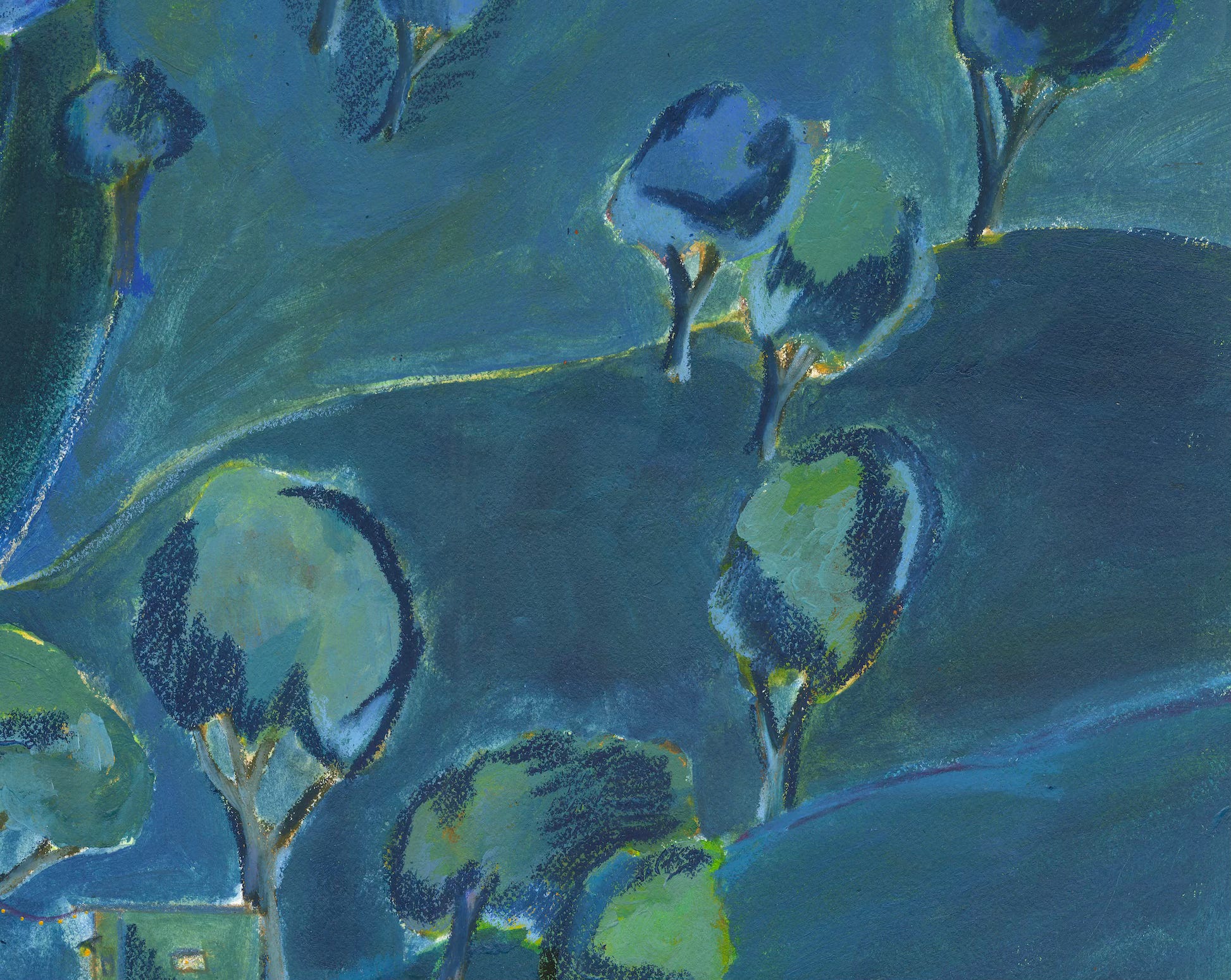
I haven’t been writing much these past six months, save for my daily journal entries. It feels as though everything that went into my words has come out into my paintings.
Typically the hot summer months do not foster a lot of attention to detail within; I usually go into action: colors! passion! escape! yet this summer my mantra has been “routine, plug and chug, have faith in the process.” This self-enforced monotony as a creative feels like a shift and has felt as though I have been going to school every morning as I sift through books, learn a language, do vitality stretches, clean my art supplies, send emails.
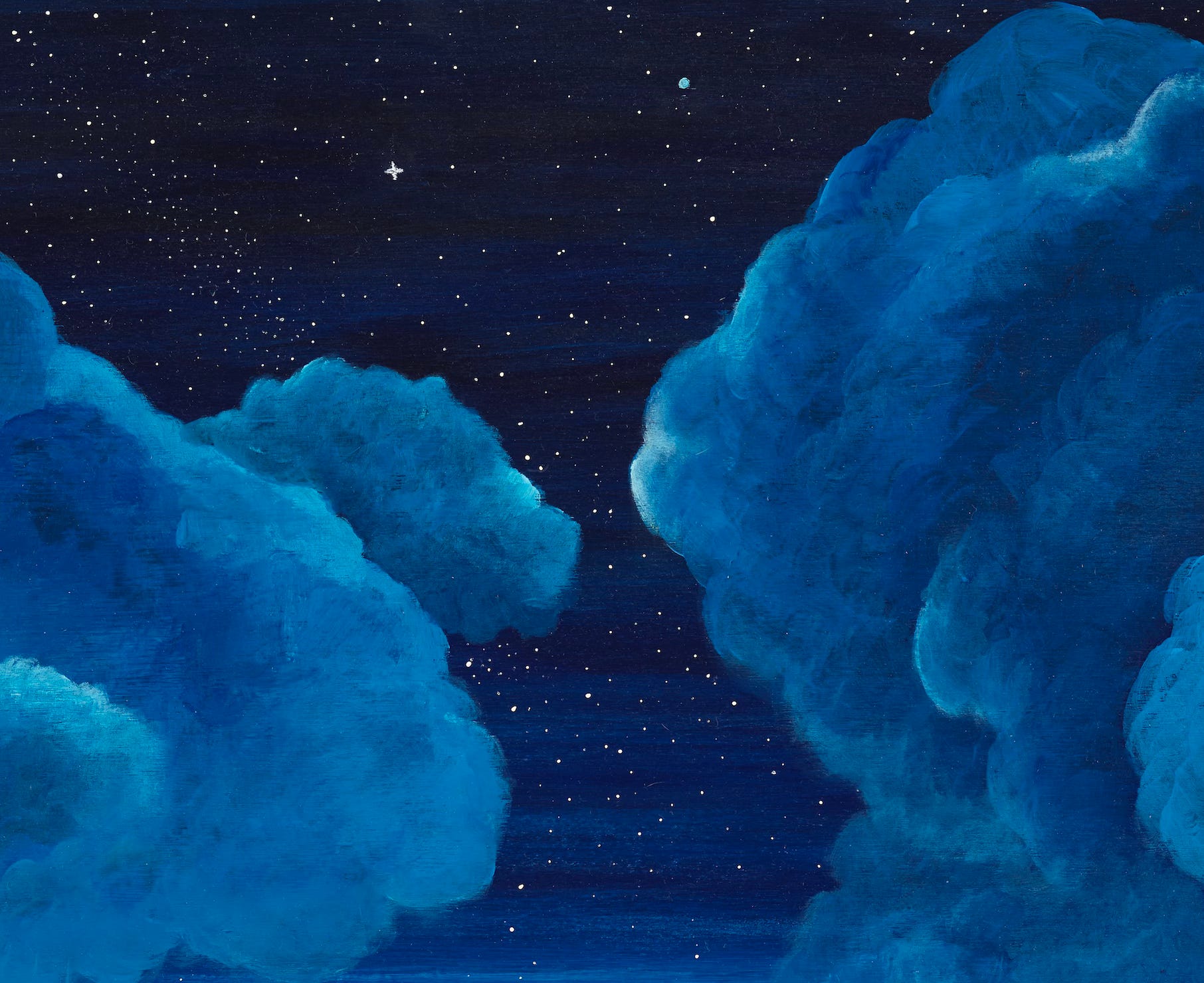
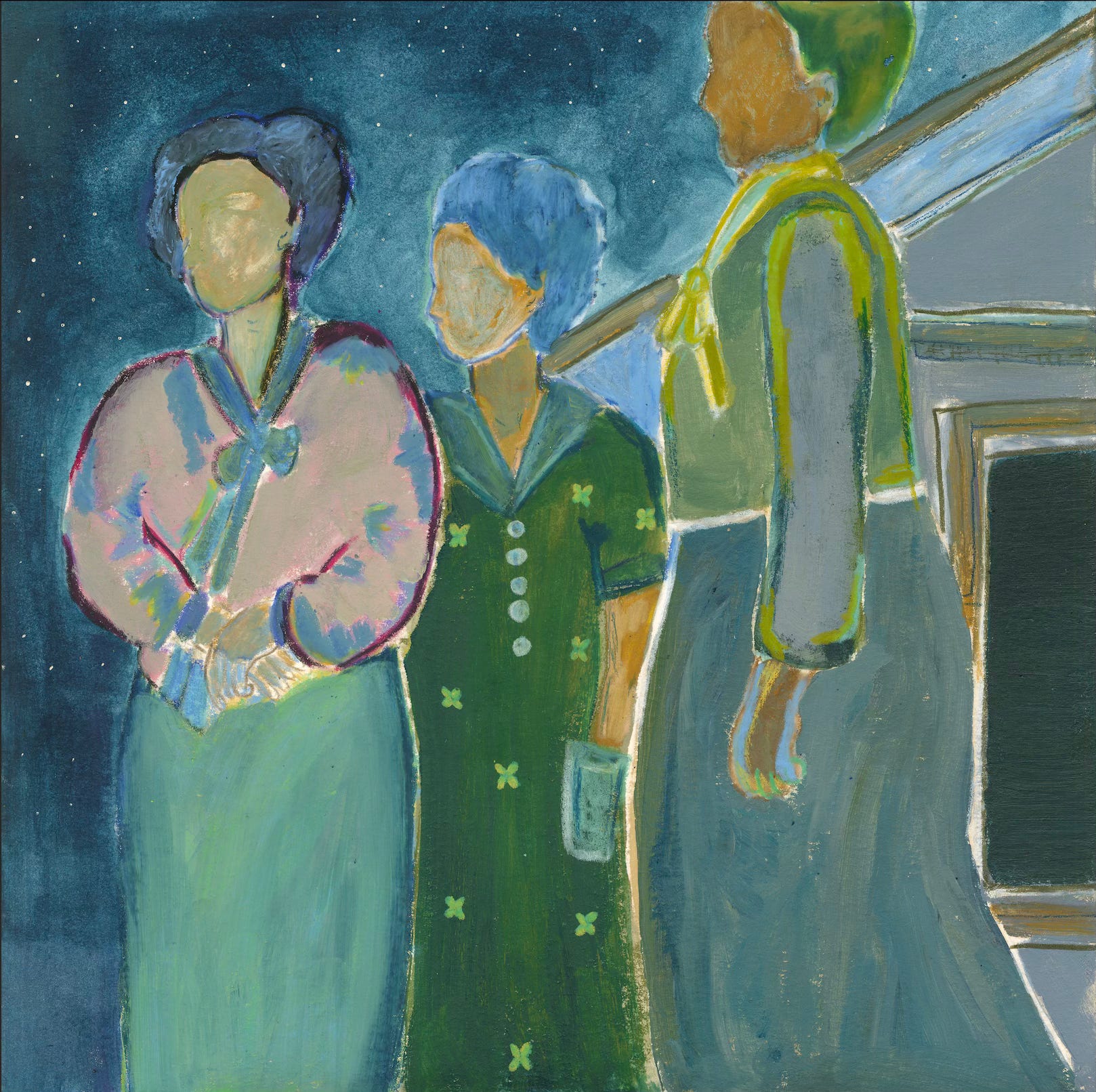
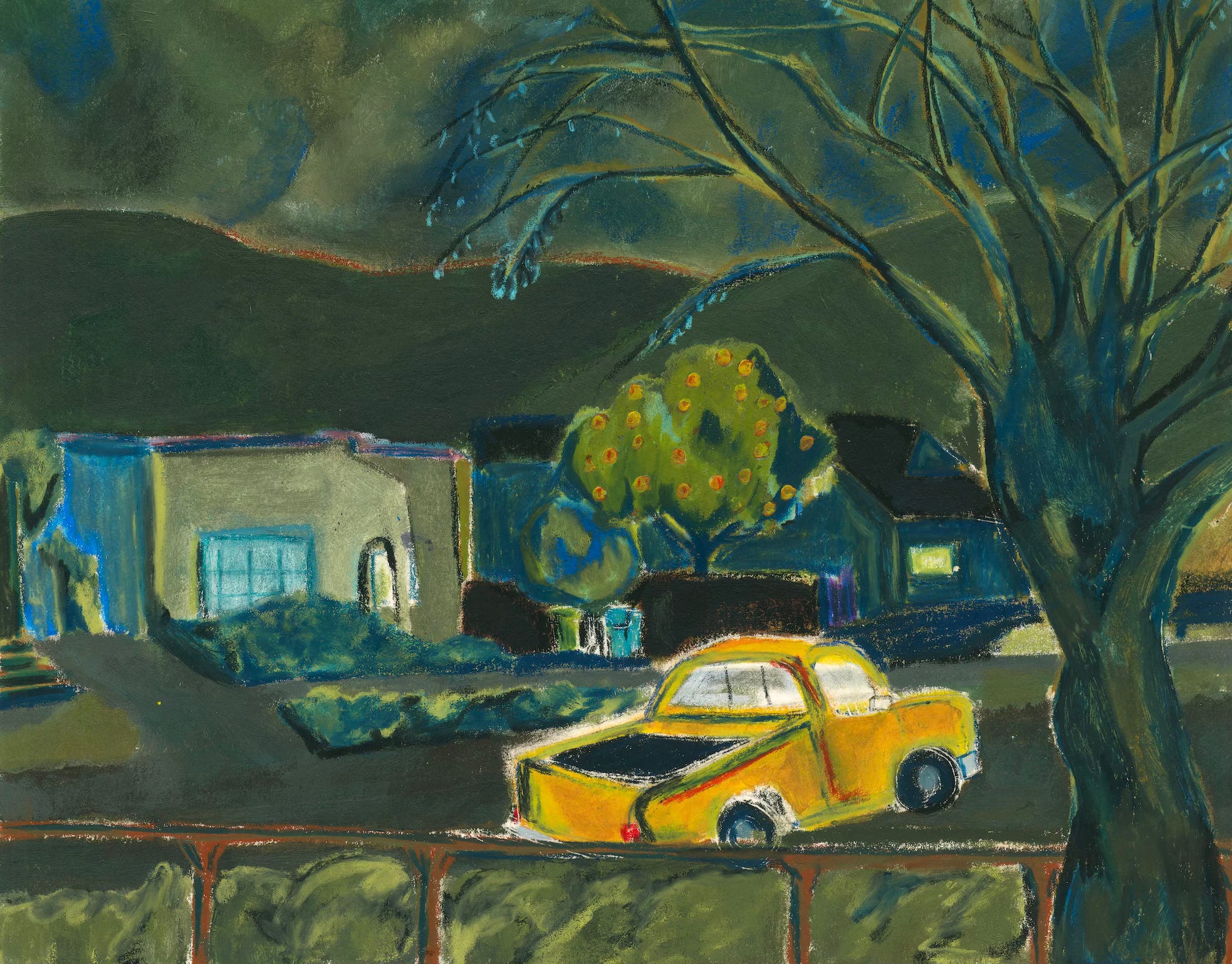
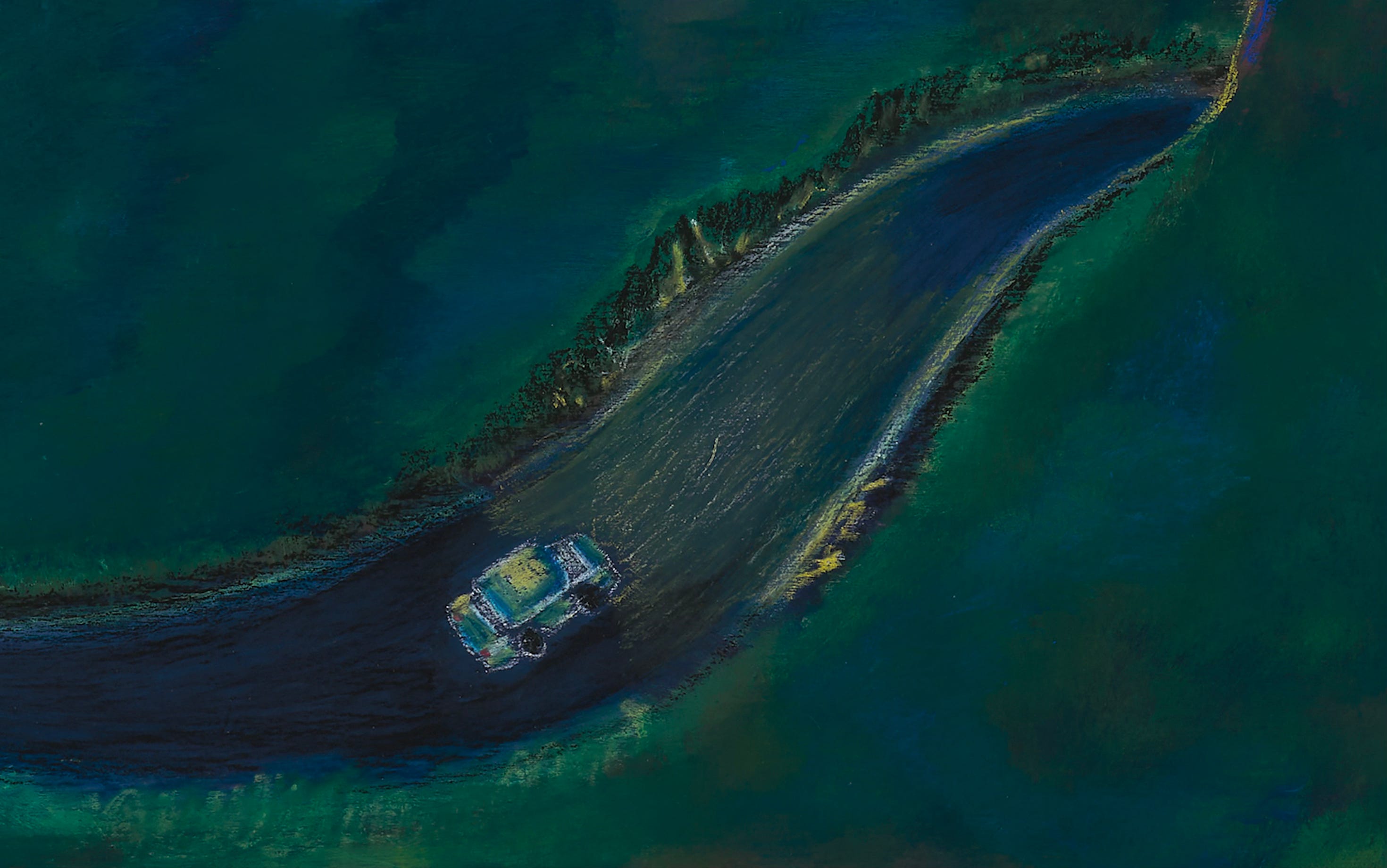
This piece of writing is a window back to words for me. Spiritually everything feels too warm, too summer-filled to write with eloquence, but I do want to share some of the words from other thinkers that I’ve read recently because they have had a profound effect on me. I have included some of my paintings throughout the piece because they say more about the past six months than anything else.
The first quote is from the mindfulness teacher and founder of Spirit Rock, Jack Kornfield, in his book The Wise Heart: A Guide to the Universal Teachings of Buddhist Psychology. He writes about the biologists who were able to learn so much more about Guerrillas than their predecessors because they arrived to their habitat without guns. Kornfield sums up the lesson from this peaceful approach by quoting African American sage George Washington Carver— “Anything will give up its secrets if you love it enough” (96).
This is so beautiful and true to me. It made me think of how protective we all are of our deepest truths and wounds and how much of an honor it is to see into someone’s most sacred parts of themselves. If we pour love into the most fearful and difficult rescue dog, day by day, they open up. I want to love a river this much, to love a rock this much, to love myself this much as well.
I’ve always appreciated a good bathroom book. Gary Snyder’s Earth House Hold (1969) has been in my bathroom whether by the tub or the toilet (it’s better than a phone). He writes short experimental log entries from his time out in the rural landscape of the Pacific Northwest. His words come out direct and poetic; a scientist whose soul is his subject.
Snyder writes about water in his choppy voice:
“‘Length of fetch’ the distance a batch of waves has run without obstruction.
salts—diatoms—copepods—herring—fishermen—us. eating.” (31)
I can’t get “length of fetch” out of my mind— “the distance a batch of waves has run without obstruction.” When I read this I thought of childhood and the varying timelines based on circumstances that cause us to lose our innocence; the distance we grow without obstruction. I thought of my mother’s battle with cancer when I turned 21 and how it felt like my length of fetch was capped out the moment I realized what was upon me. I was in Kauai and I can still recall how bright the sun felt on my back, how hard it was to read my text messages as they blurred with sunscreen, how massive the Pacific Ocean sounded.
I’m so curious about how others relate to this; what was the first obstacle that determined the length of fetch for your own childhood? I wish I knew more about waves, what happens when they hit the obstacle? Do they spin out into a nebulous disordered phase without clear form or function? Do they return to a primal part of themselves? I feel as though all the particles within me reorganized when I learned of her illness, yet the foreign shape that was taking form within me would take years of chaos to crystalize only to be broken again.
I got excited when just a week after reading Snyder’s quote I opened Pure Stoke (1982) by John Grissim on early surfing culture and came upon this:
“It [the massive wave/pipeline heading towards Hawaii] first appeared at 5:51 A.M. at the rear of a wave train two miles offshore…As a form within Nature it was newly hatched, yet the energy that created it was as old as the wind which first caressed the still waters…as old as the sunlight that had warmed the snowfields of China. Its lifetime would be measured in mere minutes, yet its lineage was impeccable. It was a wave descended from countless generations of storm-spawned waves, shaped by the wind, tutored by the self-ordered discipline of an ocean swell, and now sculpted to its final form by unseen hands of coral and volcanic rock” (Grissim 9).
The length of fetch from Snyder emerged before me in Grissim’s beautiful description of the context of a single wave that traveled far to be ridden by a Hawaiian surfer decades ago. We are constantly both new and ancient, peculiar in our unique form and interconnected into a whole, and yet, we each must meet our own obstacles.
Over a decade ago my father took me to the Frye Art Museum to see an exhibit by an artist he was excited about, Kahlil Joseph. This was one of our favorite activities to do together—check out the art, get a coffee in the museum cafe, go for a rainy walk on the hill. That was the first time I learned about Noah Davis, the incredibly influential young painter whose life ended prematurely at the age of 32 in 2015, and who was brothers with Kahlil Joseph.
Joseph’s exhibit was a multi-media experience and some aspect of it had been in honor of his brother, but I cannot recall in what way. Maybe it was all of it. Something instinctively told me it was. Of all the exhibits I have seen at the Frye growing up, this particular show that held the tension of an intellectual conversation between brothers, one living and one deceased, has stayed with me.
Recently I learned that Noah Davis was born and raised in Seattle and then moved to Los Angeles just like myself. Somehow this made me more desperate to get to know him. Because he is no longer with us, I too have to get to know him through the words and memories of others. Contemporary Italian artist Francesco Clemente wrote an essay, more so a letter, to Noah Davis whom he had never had the chance to meet.
From the essay “Francesco Clemente on Painting for My Dad, 2011” in Noah Davis,
“It is comforting to talk to you…to think of the gentleness implied in your being a painter, to think of the fury implied in your being a painter: the fury necessary to sharpen, with an effort of the intellect, the treacherous vagueness of beauty. You were not afraid of beauty. You knew that beauty, like Rilke said, is the beginning of terror” (Clemente 98).
I thought of Grissim’s essay about the surfer who dropped into that massive wave—the danger, willingness to risk death, and finally the joy he experienced riding that treacherous pipeline; self-enforced fear in the name of living; the motivation to travel towards that which scares us most just to get a few seconds of what lights us up more than anything else; the inseparable unity of joy and grief.
I was struck by how Clemente positions “beauty” as something that is commonly feared when he writes, “You were not afraid of beauty.” Beauty as fearful describes some of what I felt at that Kahlil Joseph exhibit when I realized his relation to Noah Davis. The beauty of his loss was before us in that room, and to face it with him was scary.
I’ll end this with a final quote from Grissim, again about waves. I hope these tidbits find you well, I hope they make you choose the kind of beauty that is accompanied by fear. This quote confused me at first:
“An intriguing paradox of Nature, it is the form of a wave that travels and not its substance; one can never see its essence, only its effect on the medium through which it moves. Like the dancer and the dance, the components are inseparable, mysterious, and unknowable” (Grissim 6).
I always look forward to reading you. Lovely stuff here. Art informing life informing art informing life
So excited to see you posted. Length of fetch is going to stick w me for sure